

What is a Multi-Unit Abutment? How is it Made?
What is a Multi-Unit Abutment? How is it Made?
Multi unit abutments provide a versatile and effective solution for complex restorative cases involving multiple dental implants. These special components are crucial to the success of implant restorations such as bridges and upper dentures, aligning and stabilizing implants while also ensuring that they look beautiful. When providing your patients with durable and aesthetic solutions for missing teeth, it is important to understand what is involved in different types of abutment dental work and how it can help your patients.

What is a Multi Unit Abutment and What to Consider When Making It?
Multi unit abutments are generally known as the connecting elements used in full jaw fixed implant prosthesis systems such as "All on 4", "All on 6" and are located between the implant and the prosthesis. These abutments, which are screwed onto the implant, help to place the prosthesis stably and at the correct angle. Especially in cases where implants are placed at different angles, a flat and parallel prosthesis substructure can be created with the Multi Unit Abutment.
This system can also allow the patient to have a temporary prosthesis applied in a single session. This both shortens the treatment period and increases the patient's comfort of life.
How is Multi Unit Abutment Made?
Multi unit abutment application is first performed by performing an intraoral scan on the patient and planning the examination and the area where the implants will be placed. Then, the implants are usually placed in the jawbone with local anesthesia. Then, the right angle abutment is selected. The temporary prosthesis can be placed on the abutment immediately, while the permanent prosthesis is applied when the healing is complete.
What Materials Are Used During the Procedure?
During the Multi Unit Abutment procedure, titanium abutments are used to provide durability, prosthesis screws and analogs are used to fix the abutment and the prosthesis to each other, and CAD/CAM Systems are used for the design and production of the prosthesis in the digital field. Zirconia and metal supported ceramics, which are among the permanent prosthesis materials, are used. Torque wrenches are a tool that helps tighten the screws.
Titanium Abutments: Offers high biocompatibility and durability.
Prosthesis Screws and Analogs: It ensures that the abutment and the prosthesis are fixed to each other.

What are the advantages of the application of multi unit abutment?
It is very helpful in adjusting the angles of the implants so that they look smooth and flawless. One of its most important advantages is that it can be easily removed and cleaned when necessary. In addition, it distributes the force applied during chewing evenly and ensures that the prosthesis can be used for a long time. A temporary prosthesis procedure can be applied to the patient immediately after the application. This is of great importance in terms of the patient's comfort.
So what is the disadvantage?
In order for the application of multi unit abutment, the person who will apply it must be an expert and knowledgeable in his/her job because the selection and placement of the correct abutment requires serious experience and technical knowledge. Incorrect applications can cause the prosthesis to fail.
Multi unit abutments are a very useful procedure in terms of both appearance, ease of cleaning and use. With the right material and an experienced team, these systems provide long lasting and high patient satisfaction results.
Get a Quick Offer Now
Contact Us
- Akkuyu, Üniversite Caddesi No:25/EA Konyaaltı, Antalya
- Email: [email protected]
-
Working Hours:
Mon - Fri: 08:00 – 18:00
Saturday: 08:00 – 15:00
Sunday: Closed
WhatsApp Call
Get Price on WhatsAppOur Experts
Specialist surgeons and consultants across every discipline of dentistry.
 Smile Design ExpertBurcu ERTUĞRULView profile
 OrthodontistSemih KORANAView profile
 Smile Design ExpertŞahinder ÖNDER FİŞENKView profile
 Head DentistAli GÖSTERView profile
 Maxillofacial SurgeonBurhan ÇELİKView profile
 PeriodontistBuse ATMACAView profile
 Prosthetic SpecialistMustafa Kaanalp ERGÜLView profile
 Endodontic SpecialistMetin Can ATİLLAView profile
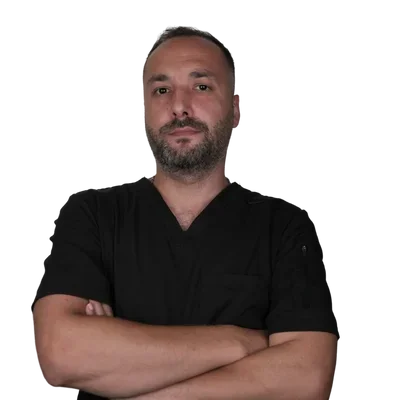 Smile Design ExpertMehmet KARABULUTView profile
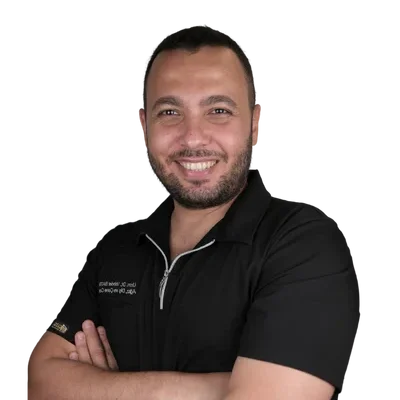 Maxillofacial SurgeonVahdet BATMAZView profile
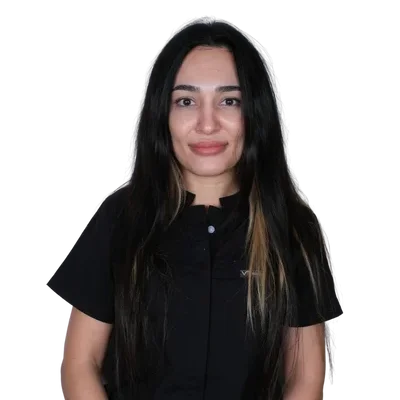 Pediatric Dentistry SpecialistGülşah Güvenç ŞengünView profile
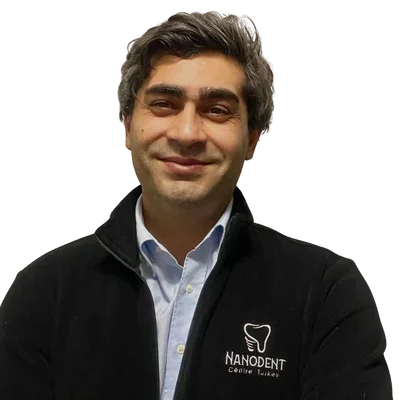 DentistOnur Can DoğanView profile
 ProsthodontistDerya PARPARView profile
 DENTISTGöktuğ BALKANView profile
 PERIODONTISTSerdar Yücel ÖZKANView profile