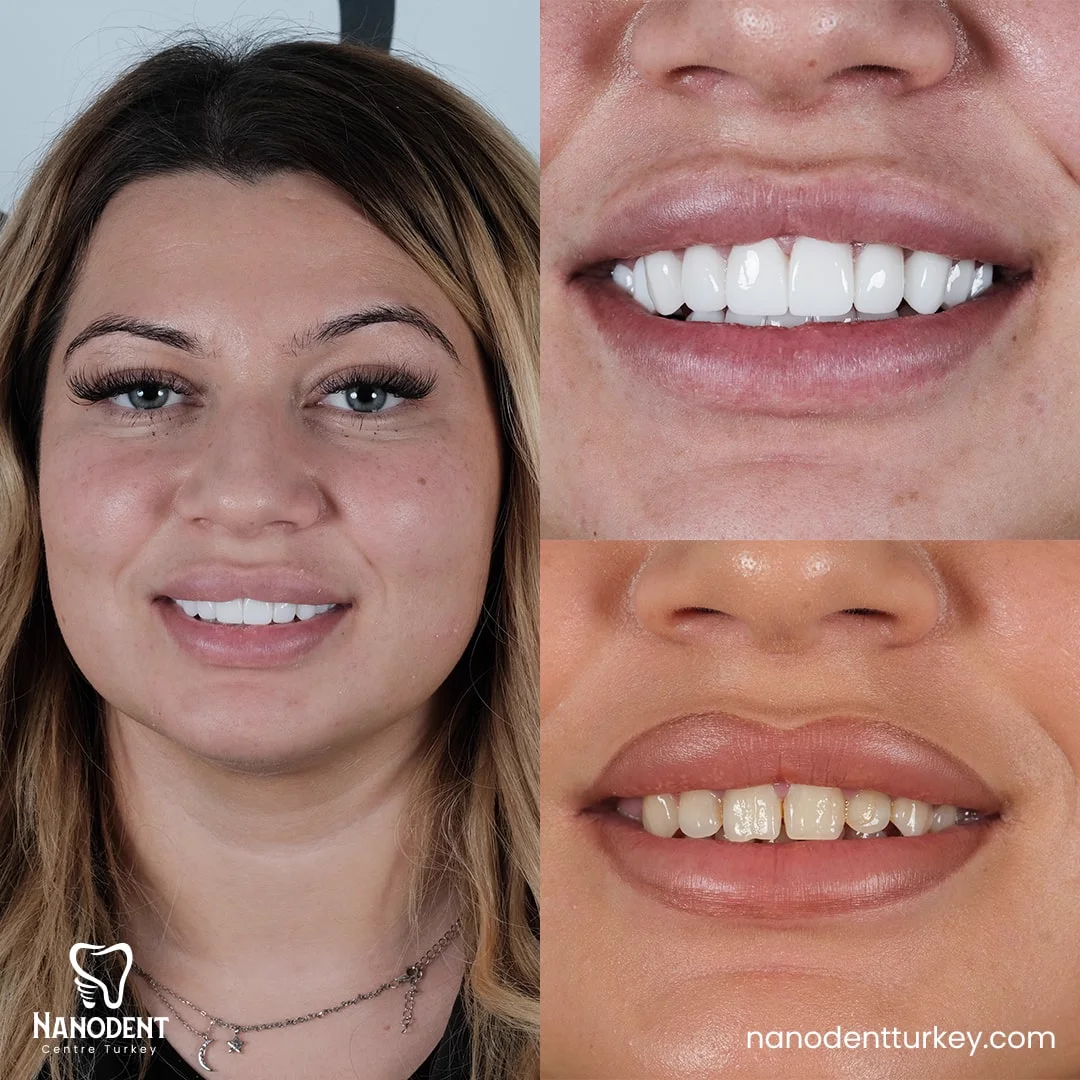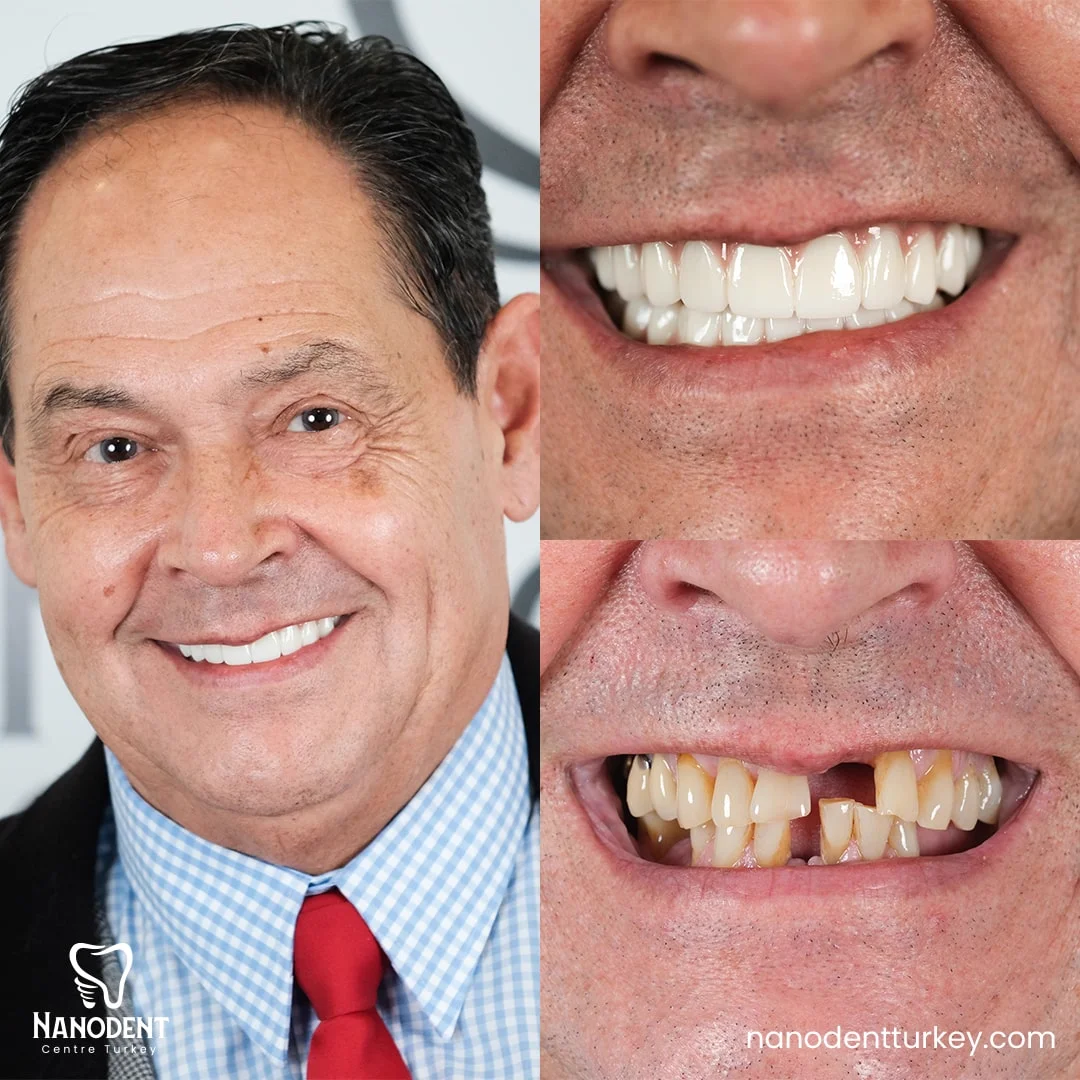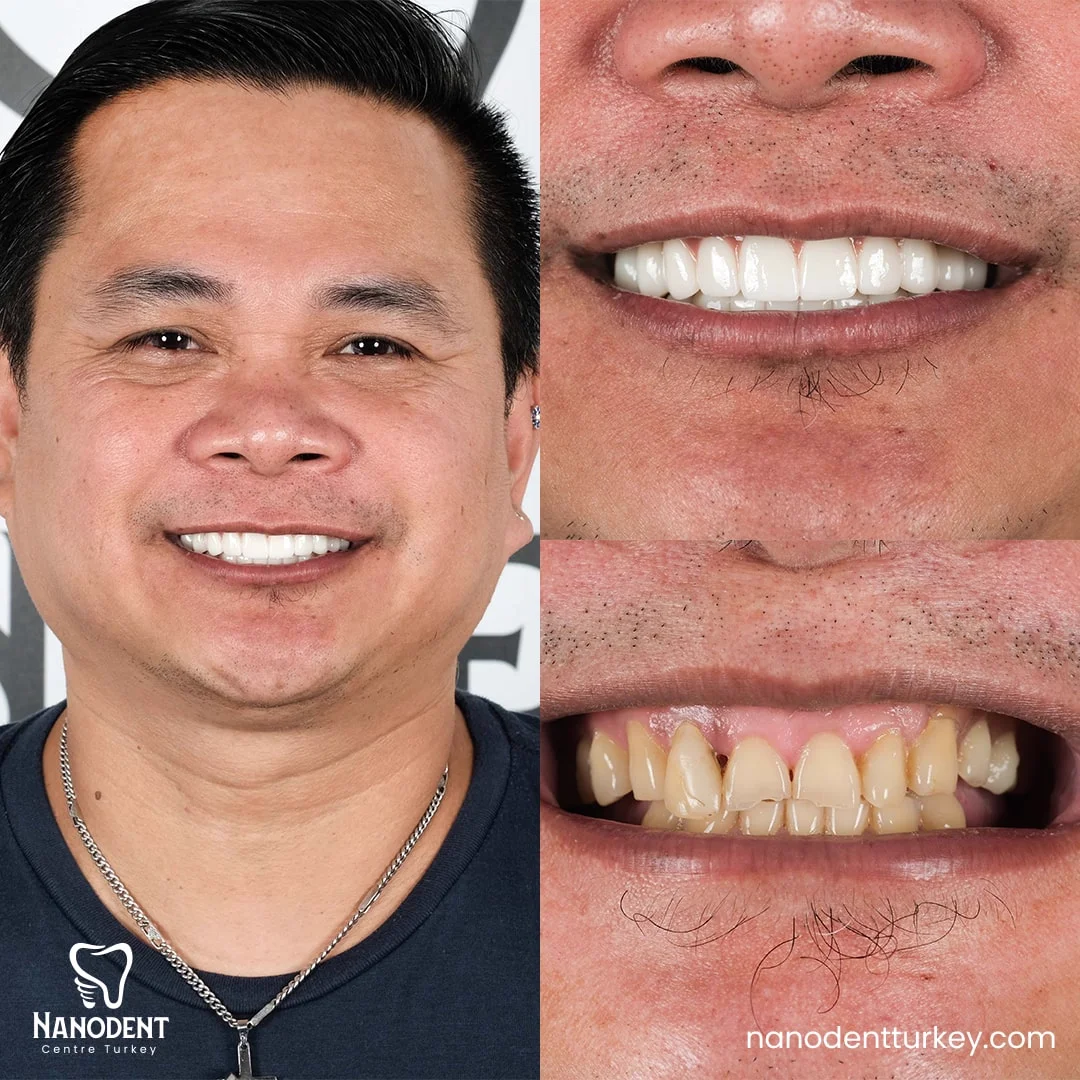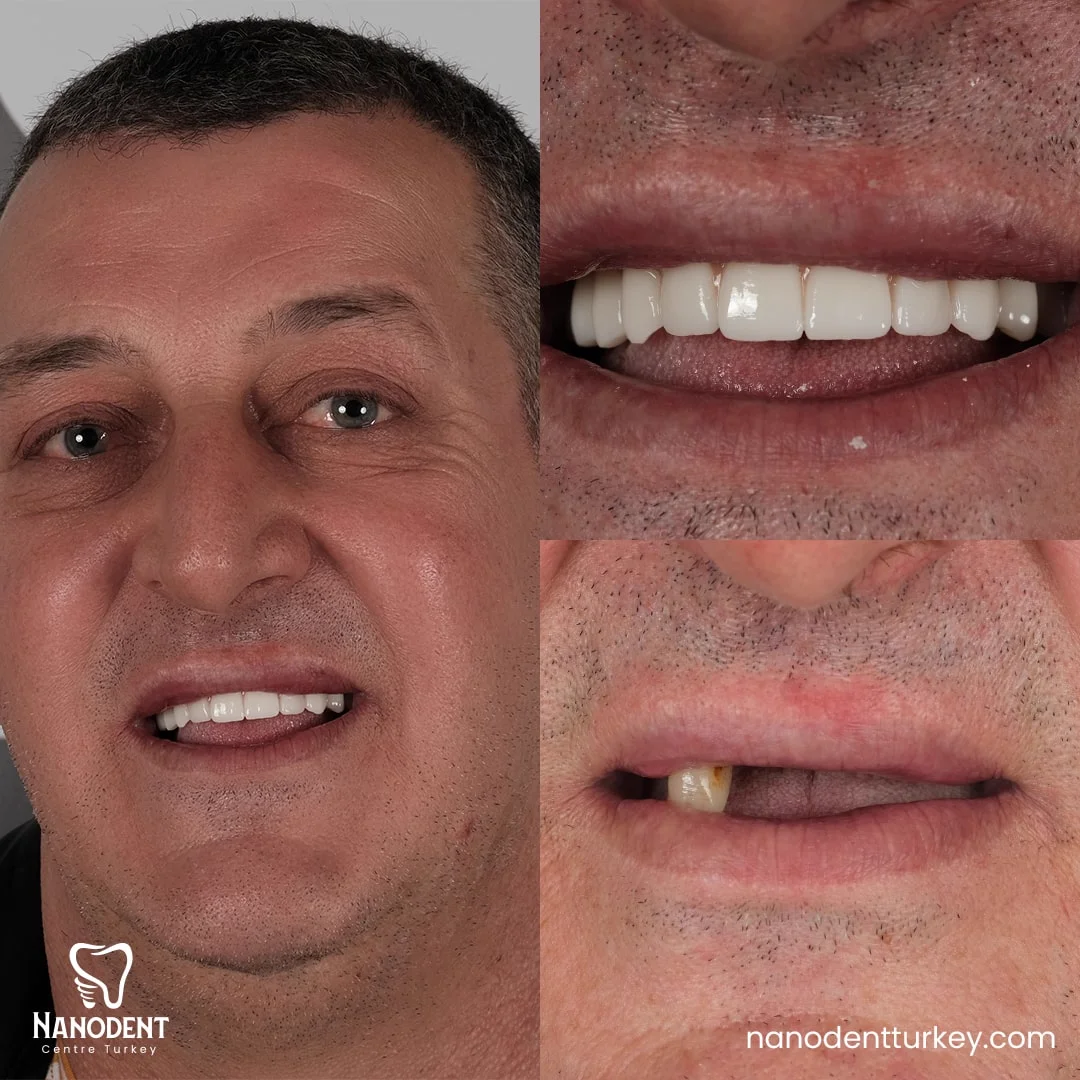


Root Canal Treatment in Antalya
Root Canal Treatment in Turkey Antalya / Save Your Natural Tooth at Nanodent Turkey
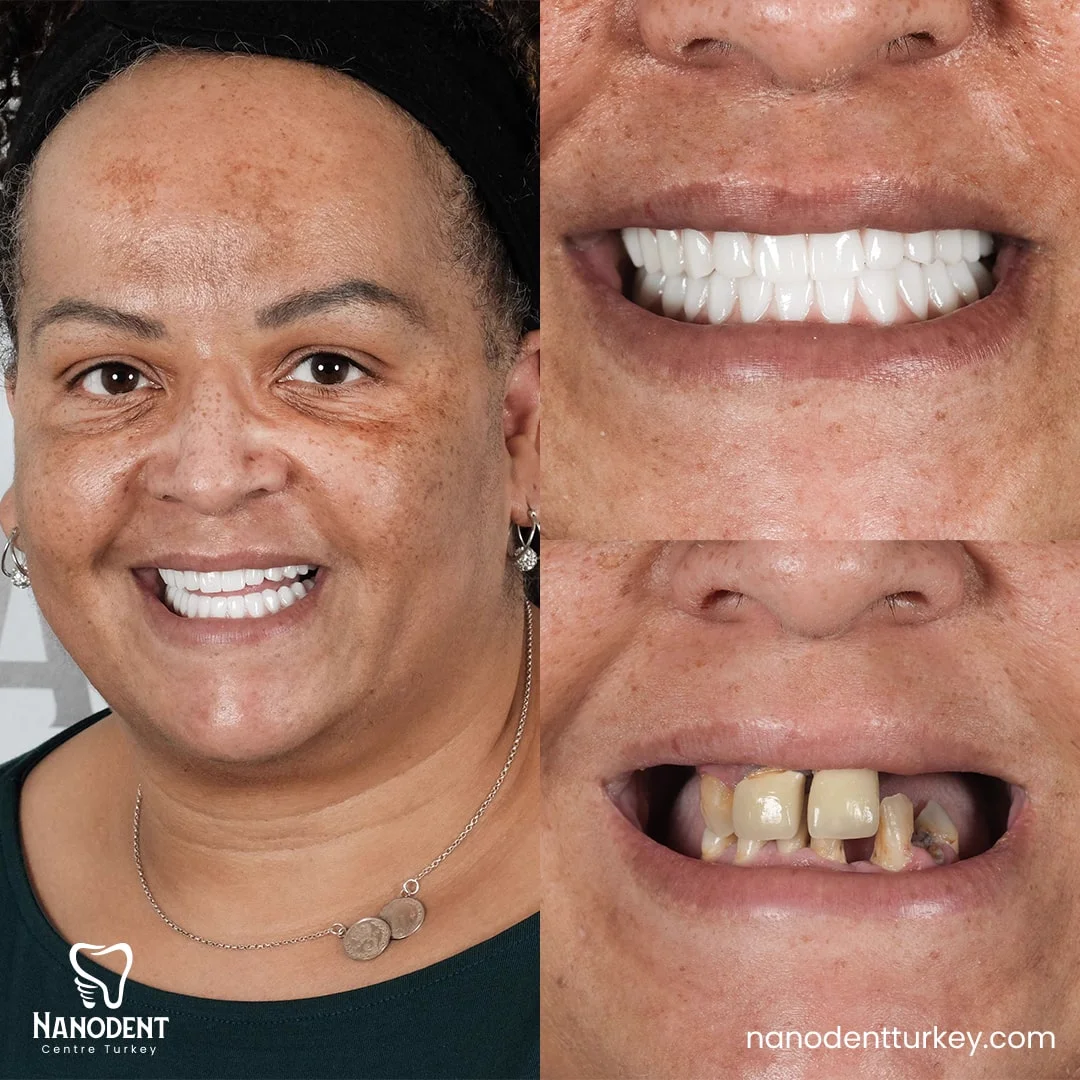
When the inner pulp of a tooth becomes infected due to deep decay, trauma, or repeated dental procedures, saving the tooth is often possible through Root Canal Treatment. Rather than extracting the affected tooth, modern endodontic treatment removes the infection, relieves pain, and preserves the natural tooth structure for many years.
At Nanodent Turkey, we provide advanced Root Canal Treatment in Turkey using modern endodontic techniques, digital imaging, and precision instruments to ensure effective, comfortable, and predictable treatment outcomes. Our experienced dentists focus on eliminating infection while maintaining as much of your natural tooth as possible, allowing you to continue chewing, speaking, and smiling with confidence.
Many patients worry that root canal treatment is painful. In reality, modern dentistry has transformed the procedure into one that is comparable to receiving a routine filling. With effective local anaesthesia and gentle clinical techniques, most patients experience little to no discomfort during treatment.
Located in Antalya, Nanodent Turkey welcomes patients from across Europe who are seeking high quality restorative dentistry in a modern, patient focused environment. Whether you are experiencing severe toothache, prolonged sensitivity, or have been advised that you need root canal therapy, our team is committed to helping you preserve your natural smile safely and comfortably.
Why Choose Root Canal Treatment at Nanodent Turkey?
Preserving your natural teeth is always our priority whenever possible. Root canal treatment allows infected teeth to be saved rather than extracted, helping patients maintain their natural bite, jawbone health, and overall oral function.
At Nanodent Turkey, every treatment begins with a comprehensive clinical examination and digital radiographs to accurately diagnose the condition of the affected tooth. Our dentists carefully assess the extent of the infection before developing a personalized treatment plan that addresses both the infection and the long term restoration of the tooth.
We utilize modern rotary endodontic instruments and advanced irrigation techniques to thoroughly clean and disinfect the root canal system while preserving healthy tooth structure. This precise approach improves treatment efficiency, reduces discomfort, and contributes to long term success.
Patients choose Nanodent Turkey because we combine clinical expertise, advanced technology, and compassionate care to provide root canal treatment that is efficient, comfortable, and focused on preserving your natural teeth whenever possible.
What Is Root Canal Treatment?
Root canal treatment, also known as endodontic therapy, is a dental procedure used to remove infected or damaged pulp tissue from inside a tooth. The dental pulp contains nerves, blood vessels, and connective tissue that help the tooth develop during its early stages. Once a tooth is fully developed, however, it can continue to function normally even after the pulp has been removed.
When bacteria reach the pulp through deep decay, cracks, trauma, or leaking fillings, infection can develop inside the root canal system. If left untreated, this infection may lead to severe pain, swelling, abscess formation, and eventually tooth loss.
During root canal treatment, the infected pulp is carefully removed, the canals are cleaned and disinfected, and the inside of the tooth is sealed using a specialized filling material. In many cases, the treated tooth is then restored with a dental crown to provide additional strength and long term protection.
At Nanodent Turkey, every procedure is performed with meticulous attention to detail, ensuring that the tooth is thoroughly disinfected while preserving as much healthy structure as possible.
Who Is a Good Candidate for Root Canal Treatment?
Root canal treatment is recommended for patients whose dental pulp has become inflamed or infected but whose tooth can still be successfully restored. Common symptoms include persistent toothache, prolonged sensitivity to hot or cold temperatures, pain when biting, swelling around the gums, or discoloration of the affected tooth.
In some cases, patients experience no noticeable symptoms, and the need for root canal treatment is identified during a routine dental examination or digital X ray. Early diagnosis allows treatment to be completed before the infection spreads or causes irreversible damage.
During your consultation at Nanodent Turkey, our dentists perform a comprehensive evaluation using clinical examination and digital imaging to determine whether root canal treatment is the most appropriate option. If the tooth can be preserved safely, we always recommend saving your natural tooth rather than removing it.

How Is Root Canal Treatment Performed?
Root canal treatment is carried out in several carefully planned stages to eliminate infection while preserving the natural tooth. Before the procedure begins, local anaesthesia is administered to ensure that the treatment is comfortable and virtually pain free.
Once the tooth is numb, a small opening is created to access the infected pulp chamber. Using precision endodontic instruments, the damaged pulp tissue is removed, and each root canal is thoroughly cleaned, shaped, and disinfected. Throughout the procedure, digital radiographs or electronic measuring devices help determine the exact length of each canal, ensuring accurate treatment.
After the canals have been completely disinfected, they are sealed with a biocompatible filling material to prevent future bacterial contamination. Depending on the condition of the tooth, a permanent filling or a custom made dental crown may then be recommended to restore its strength, function, and long term durability.
Benefits of Root Canal Treatment
Root canal treatment is designed to eliminate infection while preserving your natural tooth whenever possible. Saving a natural tooth is generally considered the best long term solution, as it helps maintain normal chewing function, preserves the alignment of surrounding teeth, and prevents unnecessary tooth extraction.
Contrary to common misconceptions, modern root canal therapy is not simply about relieving pain it is about removing the source of infection and restoring the health of the tooth. Once the infected pulp has been removed and the canals have been properly sealed, the tooth can continue functioning for many years with appropriate restoration and regular dental care.
Compared to tooth extraction followed by replacement with an implant or bridge, root canal treatment is often a more conservative approach that preserves your natural smile while avoiding additional procedures.
Some of the main benefits of root canal treatment include:
Eliminates infection inside the tooth
Relieves pain and discomfort
Preserves your natural tooth
Prevents the spread of infection
Restores normal chewing function
Helps maintain jawbone and surrounding teeth
Avoids unnecessary tooth extraction
Long lasting treatment with proper care
Safe, predictable, and minimally invasive procedure
Recovery After Root Canal Treatment
Recovery following root canal treatment is usually straightforward, and most patients return to their normal daily activities on the same day or the following day. Since the infection has been removed, many patients actually experience immediate relief from the severe pain that brought them to the clinic.
It is normal to experience mild tenderness or sensitivity around the treated tooth for a few days, particularly when biting or chewing. This temporary discomfort is generally caused by inflammation of the surrounding tissues rather than the tooth itself and usually resolves naturally within a short period.
Until your dentist confirms that the tooth has been fully restored, it is advisable to avoid chewing hard foods on the treated side. If a permanent crown has been recommended, having it placed promptly will help protect the tooth from fracture and provide long term strength.
Maintaining excellent oral hygiene, brushing twice daily, flossing regularly, and attending routine dental examinations are essential for ensuring the long term success of your treatment.
How Long Does Root Canal Treatment Last?
A successfully treated tooth can last for many years and, in many cases, for a lifetime. The long term success of root canal treatment depends on several factors, including the severity of the original infection, the quality of the restoration placed after treatment, and the patient's oral hygiene habits.
After the root canals have been cleaned and sealed, the tooth should be restored appropriately to protect it from future damage. Teeth that have lost a significant amount of structure often benefit from a dental crown, which provides additional strength and reduces the risk of fracture during normal chewing.
Regular dental examinations allow your dentist to monitor the treated tooth and identify any potential issues before they become serious. With proper care, good oral hygiene, and routine professional maintenance, root canal therapy offers an excellent long term success rate.
At Nanodent Turkey, we use modern endodontic techniques and high quality materials to maximize the longevity and predictability of every treatment.
Is Root Canal Treatment Painful?
One of the biggest misconceptions about root canal treatment is that it is painful. In reality, modern endodontic procedures are designed to relieve pain rather than cause it.
Before treatment begins, local anaesthesia is administered to completely numb the affected area, allowing the procedure to be performed comfortably. Most patients describe the experience as being similar to receiving a routine dental filling.
After treatment, mild tenderness or sensitivity may occur for a few days as the surrounding tissues heal. This is a normal part of the recovery process and can usually be managed with the medications or advice provided by your dentist.
At Nanodent Turkey, patient comfort is one of our highest priorities. Our experienced dental team uses gentle techniques and modern technology to ensure that every stage of treatment is as comfortable and stress free as possible.
Root Canal Treatment Turkey Cost in Antalya
The cost of Root Canal Treatment in Turkey varies depending on the complexity of the case, the number of root canals within the tooth, and the level of restoration required after treatment. Teeth with multiple canals or more advanced infections may require additional clinical time and specialized treatment techniques.
During your consultation, our dentists perform a detailed clinical examination and digital radiographic assessment before preparing a personalized treatment plan. Following this evaluation, you will receive a transparent quotation tailored to your individual needs, ensuring complete clarity before treatment begins.
Compared with many European countries, professional root canal treatment in Antalya offers outstanding value while maintaining international standards of care, advanced dental technology, and experienced clinicians. Patients benefit from high quality treatment at a significantly more affordable cost without compromising safety or clinical excellence.

Frequently Asked Questions About Root Canal Treatment
How do I know if I need a root canal?
Persistent toothache, prolonged sensitivity to hot or cold, pain when biting, swelling around the gums, or a darkened tooth may indicate that the dental pulp has become infected. A clinical examination and digital X ray are required to confirm the diagnosis.
How long does root canal treatment take?
Many root canal procedures can be completed in a single visit lasting approximately 45 to 90 minutes. More complex cases or teeth with severe infection may require two or more appointments to achieve the best possible outcome.
Will I need a dental crown after root canal treatment?
In many cases, yes. Teeth that have undergone root canal treatment are often weaker because of previous decay or structural loss. A dental crown helps protect the tooth, restore full function, and significantly improve its long term durability.
Can a root canal treated tooth become infected again?
Although root canal treatment has a very high success rate, reinfection can occur if bacteria enter the tooth through a new cavity, a damaged restoration, or an incomplete seal. Regular dental examinations help detect any problems early, and retreatment is often possible if necessary.
Is it better to save a tooth or have it extracted?
Whenever possible, preserving your natural tooth is the preferred option. Root canal treatment allows you to maintain your natural bite, chewing function, and jawbone health while avoiding the need for more complex tooth replacement procedures.
Book Your Root Canal Consultation
If you are experiencing persistent tooth pain, sensitivity, or signs of dental infection, Nanodent Turkey offers advanced Root Canal Treatment in Turkey designed to relieve discomfort while preserving your natural tooth. Using modern endodontic techniques, digital diagnostics, and precision treatment methods, our experienced dentists provide safe, comfortable, and highly predictable care tailored to your individual needs.
Our goal is always to eliminate infection, restore the health of your tooth, and help you avoid unnecessary extraction whenever possible. From your initial examination to your final restoration, every stage of treatment is carefully planned to ensure long lasting function, comfort, and oral health.
FAQ
Can a root canal save my natural tooth?
Yes, in many cases a root canal can save a tooth that would otherwise need to be removed. The treatment removes the infected or damaged tissue inside the tooth, cleans the canals, and seals the tooth so it can continue functioning like a natural tooth.
What happens during a root canal procedure?
First, your dentist numbs the area so you stay comfortable. A small opening is made in the tooth, and the infected pulp tissue is carefully removed. The inside of the tooth is cleaned, disinfected, and filled with a special material. Finally, the tooth is sealed and restored to protect it.
What should I expect after a root canal treatment?
It is normal to have some tenderness or mild discomfort for a few days after treatment, especially when biting. This usually improves with normal pain medication if needed. Once the tooth is fully restored, most patients return to eating and smiling normally.
How long does a root canal treated tooth last?
A root canal treated tooth can last many years and sometimes a lifetime with proper care. The long term success depends on factors such as the quality of the treatment, the final restoration and your oral hygiene.
Can I eat after a root canal treatment?
Yes, but we usually recommend waiting until the numbness wears off to avoid accidentally biting your cheek or tongue. If you have a temporary filling, it is best to avoid very hard or sticky foods until your final restoration is placed.
Will I need a dental crown after a root canal?
Not every tooth needs a crown, but many do especially back teeth. A crown helps protect the tooth because a root canal treated tooth can become more fragile over time. Your dentist will recommend what is best depending on the condition of your tooth.
What are the signs that a root canal has failed?
Signs may include ongoing pain, swelling, sensitivity when biting, a recurring abscess, or a pimple like bump on the gum near the tooth. However, some problems can be treated successfully if detected early, so regular dental check ups are important.
Can a root canal be repeated if it fails?
Yes. In many cases, a root canal can be performed again (called retreatment) to clean and seal the tooth once again.
Are there any alternatives to a root canal treatment?
The main alternative is usually removing the tooth. However, saving your natural tooth is often the preferred option whenever possible because it helps maintain your bite and prevents neighbouring teeth from shifting.
What happens if I delay or avoid a root canal?
If an infected tooth is left untreated, the infection may spread and cause more pain, swelling, or damage to the surrounding bone. In some cases, the tooth may become impossible to save, which is why early treatment is usually the best approach.
Can a root canal treatment become infected again?
Yes, although it is not common. Reinfection can happen if bacteria enter the tooth again, if the filling or crown becomes damaged, or if there was a hidden problem. Good restoration and regular dental care help reduce this risk.
How much does a root canal treatment cost?
The cost depends on the tooth location, the complexity of the canals, and whether additional treatment such as a crown is needed. After examining your tooth, your dentist can provide a clear treatment plan and cost estimate.
Is root canal treatment covered by dental insurance?
This depends on your insurance provider and your specific policy. Some plans cover part or all of the treatment, while others may have limitations. It is best to check directly with your insurance company before starting treatment.
How can I prevent needing a root canal in the future?
The best prevention is good daily oral care: brush twice a day, floss regularly, visit your dentist for check ups, treat cavities early, and avoid habits that damage teeth. Regular dental visits can catch problems before they become serious.
Contact Nanodent Turkey today to, receive a personalized treatment plan, and discover how professional Root Canal Treatment in Turkey can help you save your natural tooth and restore your smile with confidence.
Get a Quick Offer Now
Contact Us
- Akkuyu, Üniversite Caddesi No:25/EA Konyaaltı, Antalya
- Email: [email protected]
-
Working Hours:
Mon - Fri: 08:00 – 18:00
Saturday: 08:00 – 15:00
Sunday: Closed
WhatsApp Call
Get Price on WhatsAppOur Experts
Specialist surgeons and consultants across every discipline of dentistry.
 Smile Design ExpertBurcu ERTUĞRULView profile
 OrthodontistSemih KORANAView profile
 Smile Design ExpertŞahinder ÖNDER FİŞENKView profile
 Head DentistAli GÖSTERView profile
 Maxillofacial SurgeonBurhan ÇELİKView profile
 PeriodontistBuse ATMACAView profile
 Prosthetic SpecialistMustafa Kaanalp ERGÜLView profile
 Endodontic SpecialistMetin Can ATİLLAView profile
 Smile Design ExpertMehmet KARABULUTView profile
 Maxillofacial SurgeonVahdet BATMAZView profile
 Pediatric Dentistry SpecialistGülşah Güvenç ŞengünView profile
 DentistOnur Can DoğanView profile
 ProsthodontistDerya PARPARView profile
 DENTISTGöktuğ BALKANView profile
 PERIODONTISTSerdar Yücel ÖZKANView profile